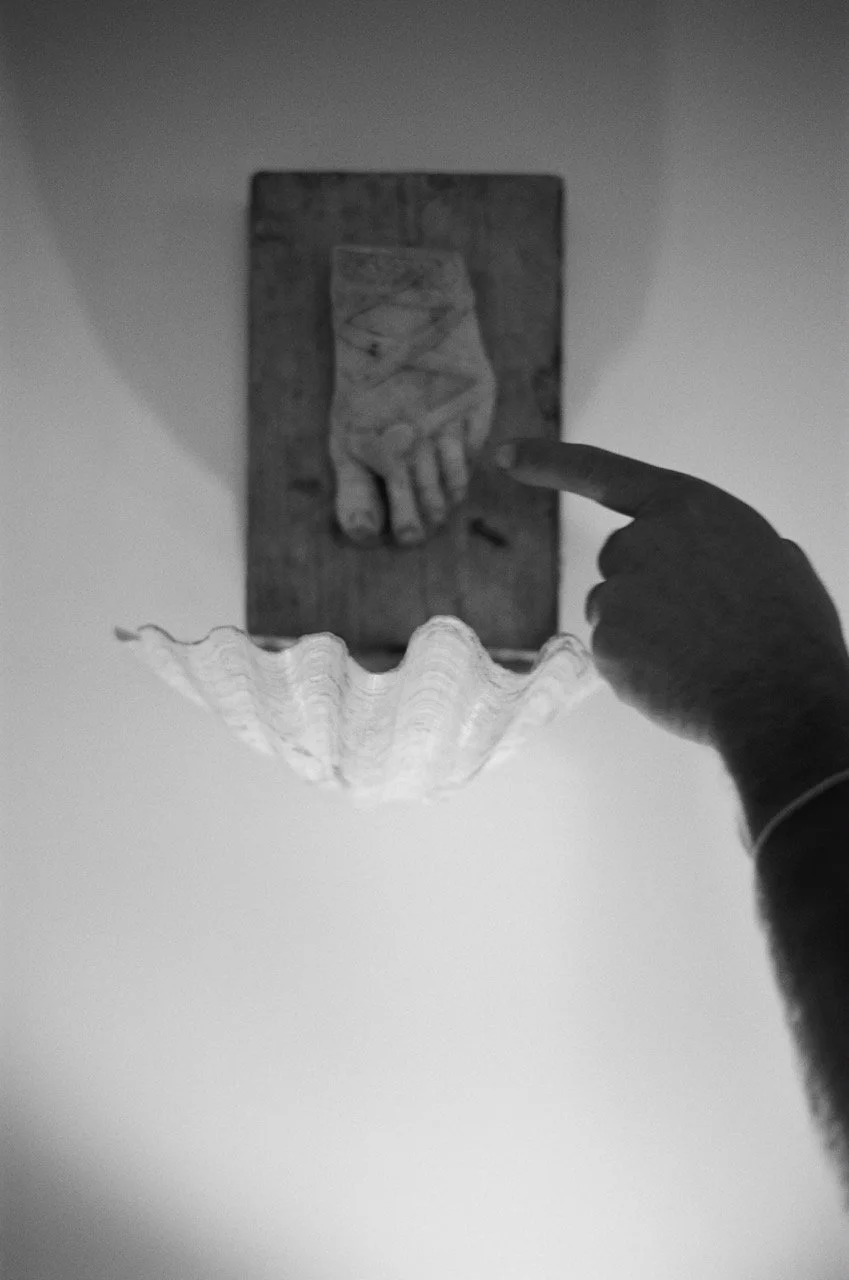
Nicolas Lefebvre, French Fries Magazine, Issue 8
Interview by Agnese Torres
Photography by Burcu Beaufort
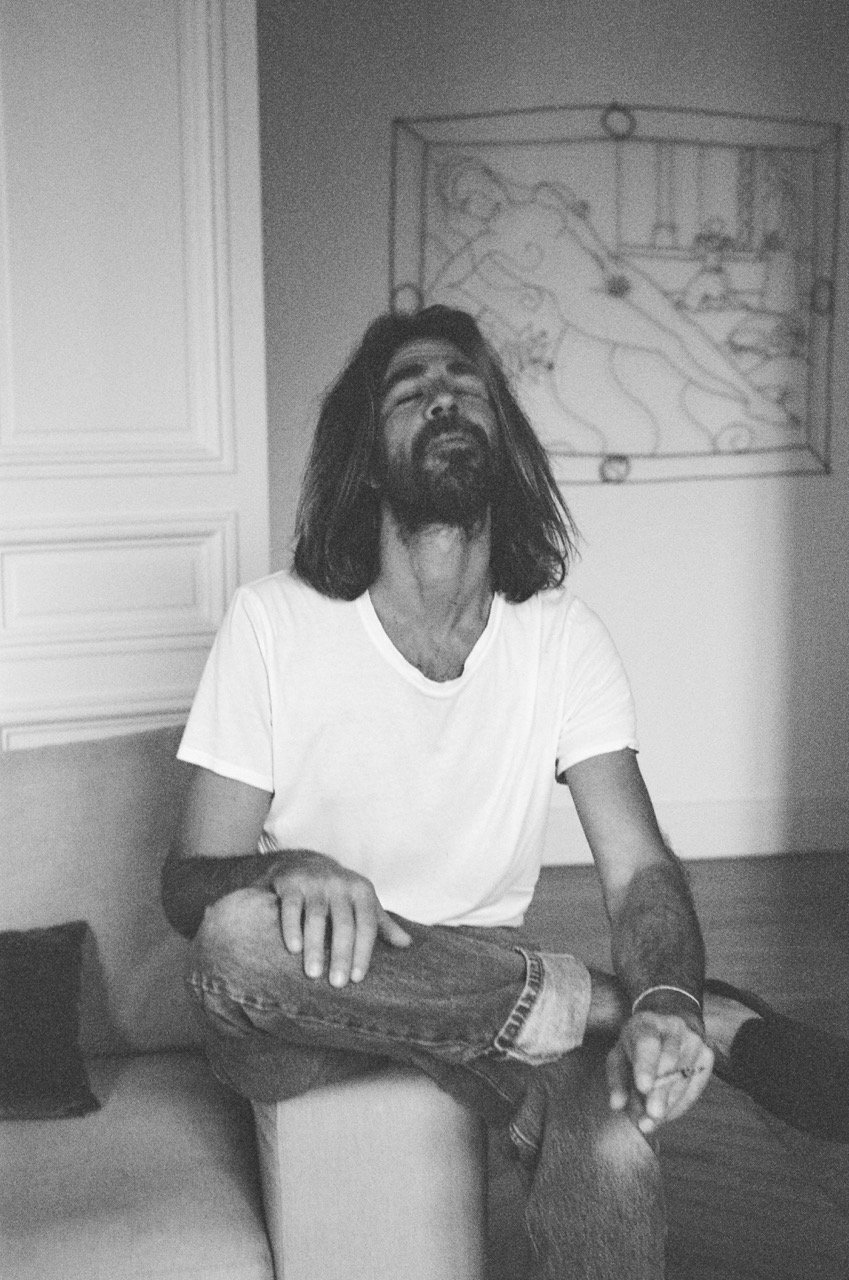
When did you start to become passionate about the ancestral cultures and artistic practices of the past?
My passion began in my teenage years, when I accompanied my father and grandfather to auction sales and galleries.
A lot of your inspiration comes from traveling around the world, right? In what mental and emotional state do you have to be in order to create a real connection with the places you visit and the objects you find?
Indeed, my extensive travels have profoundly influenced my work. I immerse myself fully in the environment and culture, allowing the elements I collect to resonate within my studio before establishing meaningful connections.
Among the many cultures you have encountered during your life, which one has influenced you the most?
African and Egyptian cultures have had the most significant impact on my work.
The Egyptian cross of life, for example, is one of the most recurring symbols in your works. How come?
The Ankh, an Egyptian symbol of fertility and life, frequently appears in my art due to its profound symbolic resonance.
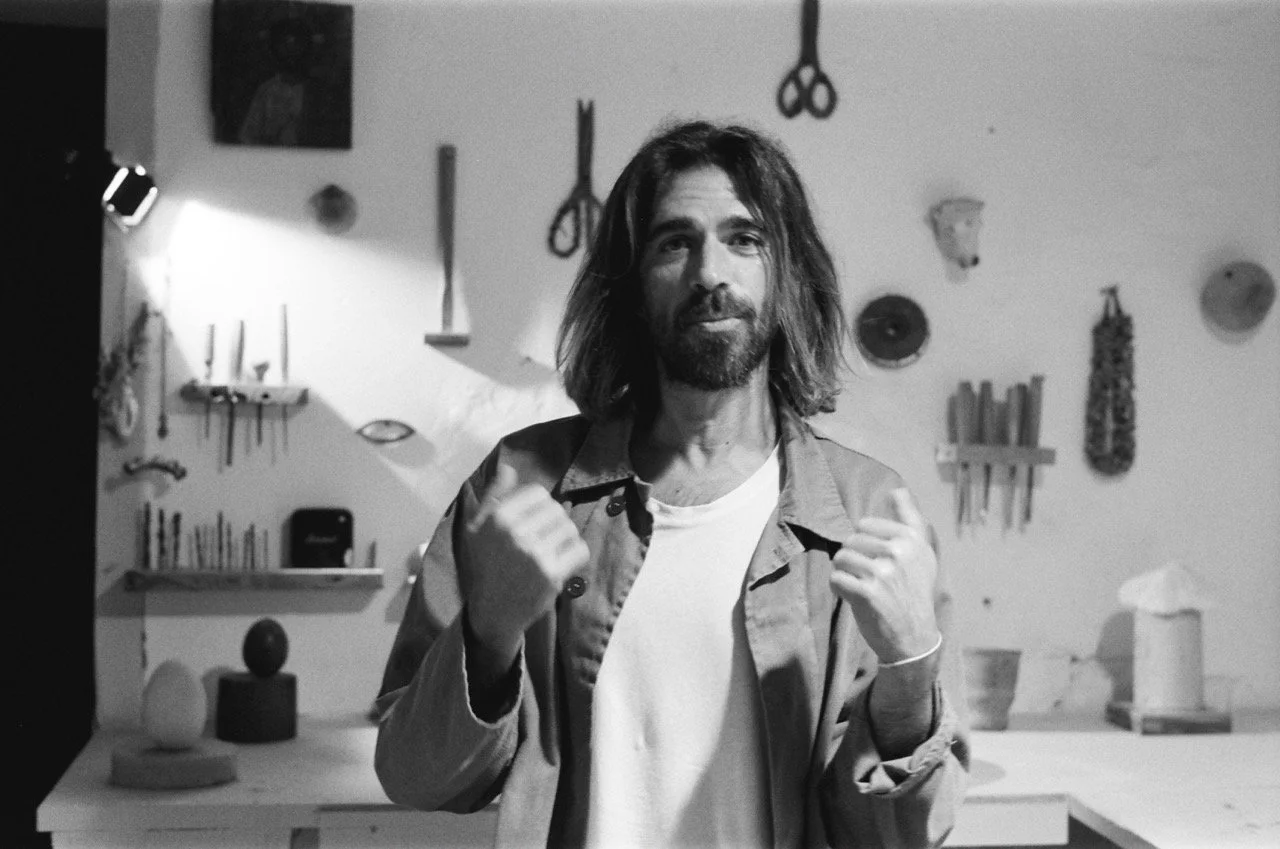
E.H. Gombrich explains in The History of Art that rock paintings of primitive civilizations are likely the oldest relics of the universal belief in the influence of images, suggesting that ancestral art had magical and propitiatory purposes. Your art is full of symbols and underlying meanings too, right?
Absolutely. The symbols I use, particularly those related to fertility and the Mother Goddess, embody universal themes of life and creation.
Much of your production revolves around the female figure and the sacredness of the mother goddess. I know this fascination arose from two extremely intimate and impactful experiences in your life. Do you feel like telling me about them?
Yes, my artistic journey began in earnest after the death of my mother when I was 24. Shortly thereafter, the birth of my daughter further deepened my exploration of these themes.
Could you explain how you compose your sculptures on a practical level? I know that they are a sort of “collage” of objects and materials of different origins.
I collect objects from various civilizations and periods, arranging them in my studio to explore potential connections. This process is intuitive and exploratory, ensuring each piece finds its rightful place.
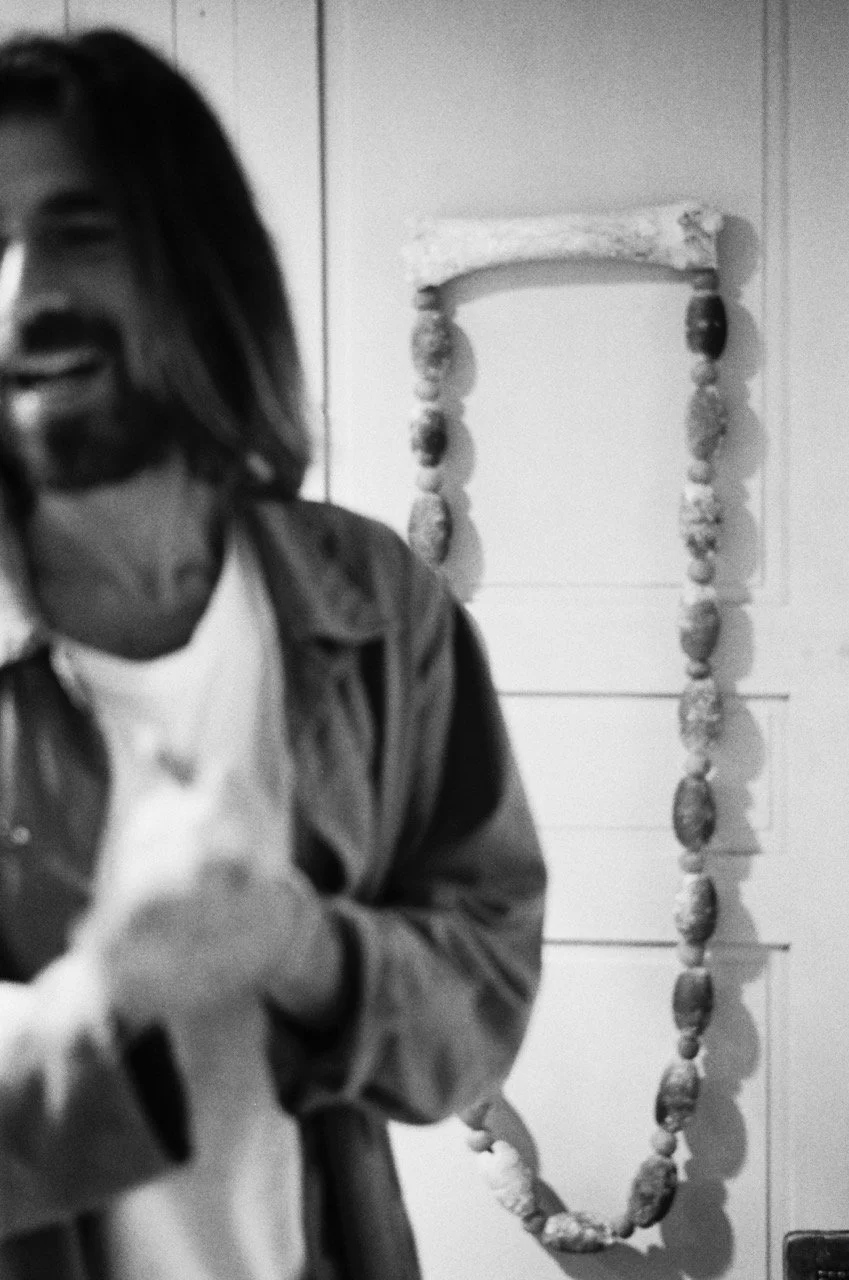
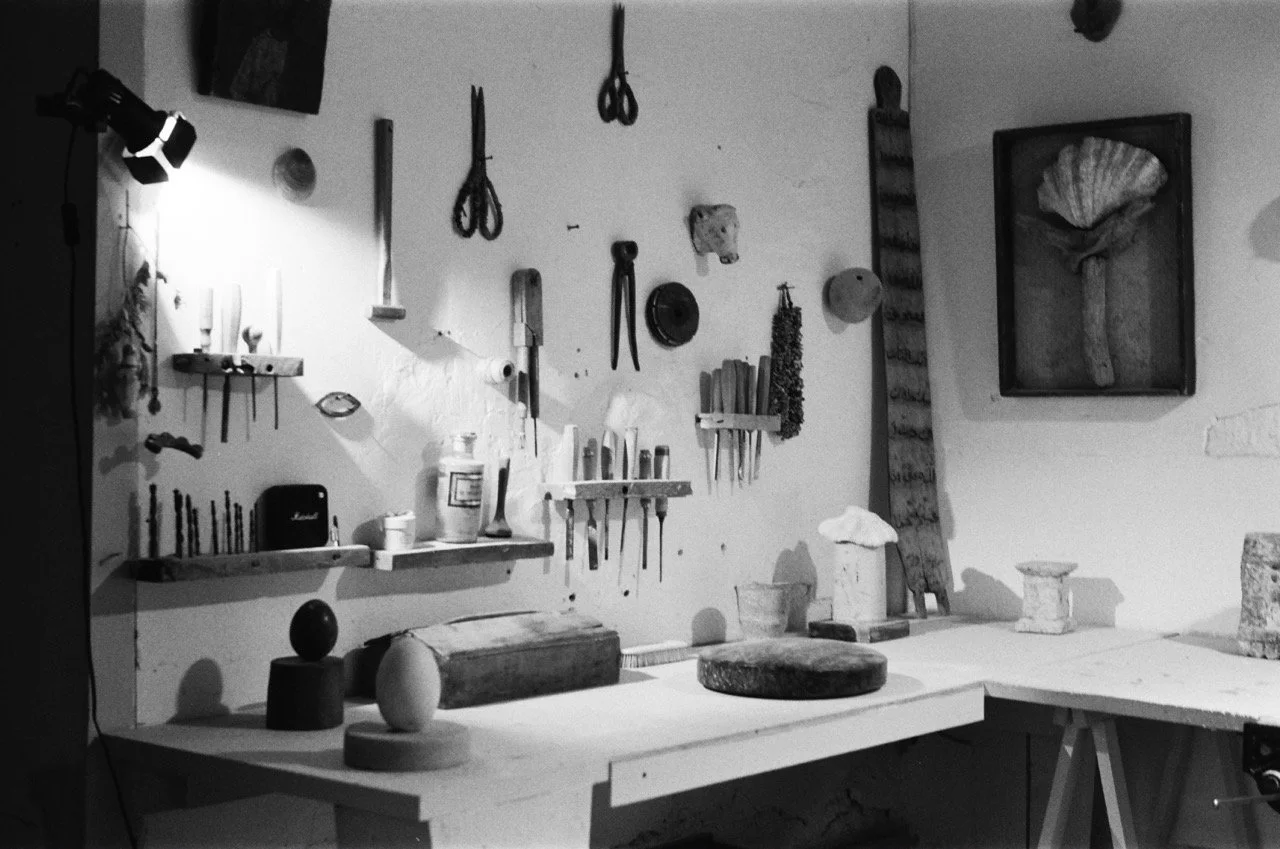
Speaking of materials, what are your favorites? Do they also carry messages and symbols through their intrinsic characteristics, or do you select them mainly based on aesthetic factors?
I am particularly drawn to ancient materials such as stone, marble, wood, feathers, glass, and bronze. Their historical and aesthetic qualities often dictate their selection, though I sometimes break and reassemble elements to create new meanings.
I read that you are attracted by Dada and surrealist art—Duchamp, Breton, Max Ernst—and that they too were fascinated by magic and spirituality. What did you borrow from their otherworldly aesthetics and imagery?
Dada and surrealism have deeply influenced my work. I appreciate their experimental approaches and the way they imbue everyday objects with new significance, a practice I emulate with contemporary interpretations.
The combination of makeshift materials and your interest in non-Western cultures—such as in the research of Mario Merz—recalls the poetics of Arte Povera. These sophisticated influences suggest that you have a solid knowledge of the history of ancient and modern art. Is that right?
Yes, I studied the history of art at L’École du Louvre for five years, which provided me with a deep understanding of both ancient and modern art traditions.
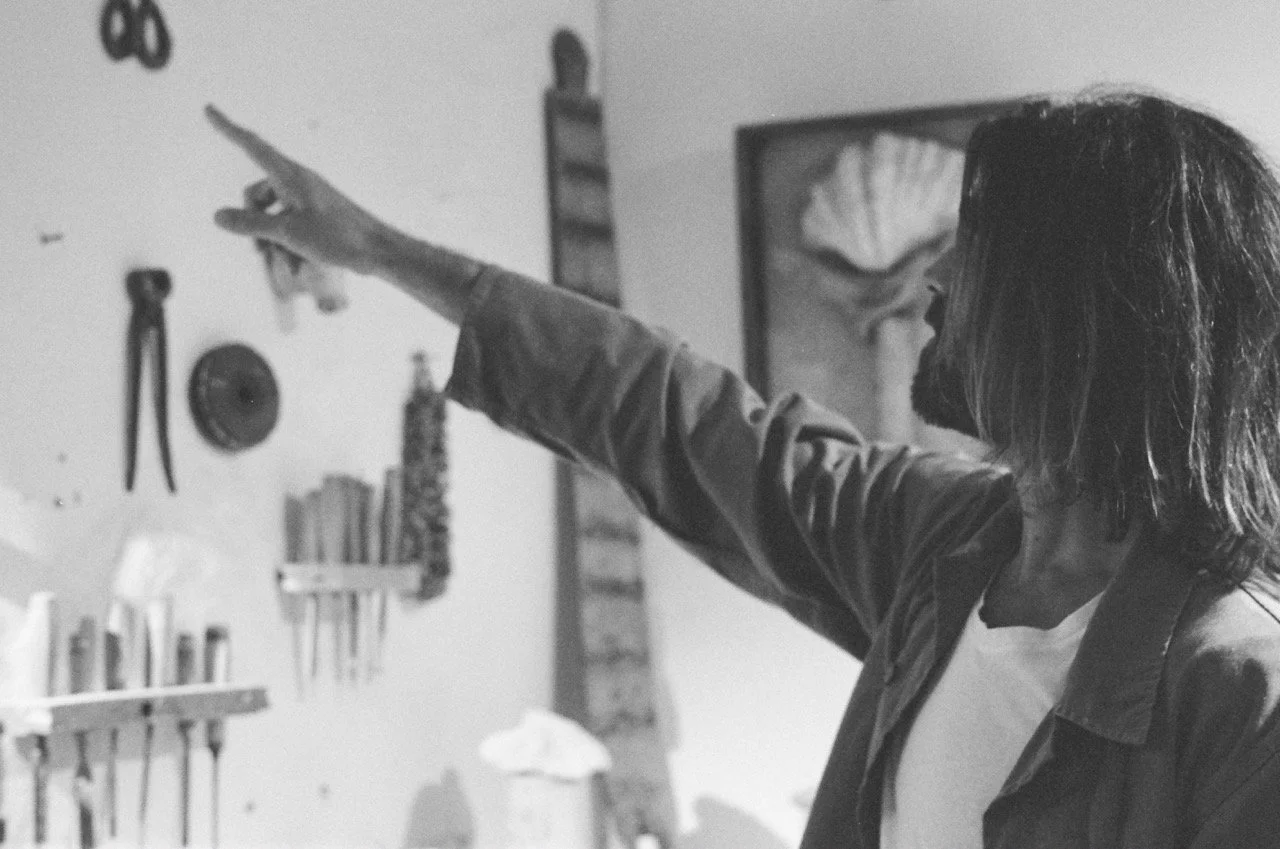
Modernity and history coexist in your works. I like this interweaving of eras and cultures, so tight that it is sometimes difficult to perceive the thin line separating your artistic intervention from the vestiges of past eras. Is this ambiguity purely intentional?
Indeed, I intentionally blur the lines between historical artifacts and contemporary elements to challenge perceptions and create a seamless dialogue between past and present.
This dialogue between past and present emerged very clearly in your recent exhibition at Christie’s in Paris, where your works interacted with African and Oceanic artworks and contemporary pieces. Could you tell me something about the show and the exhibition concept?
For my recent show at Christie’s, I juxtaposed archaeological artifacts with natural elements such as coral, shells, and sponges. This interplay highlighted the timeless beauty and interconnectedness of these diverse materials.
When you do an exhibition, do you like to get involved in the conception of the exhibition project? Could you name an exhibition that was particularly significant for you and your work?
Yes, I enjoy being involved in the conceptualization of exhibitions. Les Magiciens de la Terre at the Musée Pompidou was particularly significant for me.
You define yourself as a sculptor, but have you ever thought about integrating other languages or mediums into your artistic practice?
Yes, I am currently exploring painting and drawing, and I have a new project titled Mama that incorporates video interaction.